SciWhyLab builds data-driven algorithms for biology — from protein–DNA recognition and DNA shape dynamics to multi-omics and AI for human health. Scientific query for human health and happiness.
Prof. Shandar Ahmad Research Group · SCIS, JNU New Delhi
We are based at the School of Computational & Integrative Sciences, Jawaharlal Nehru University, New Delhi — a young school whose thrust areas are bioinformatics, complex systems and big-data analytics.
SciWhyLab stands for scientific query for human health and happiness — a quiet pun on the Japanese 幸い (saiwai), the happiness we hope to derive from our work.
We develop machine-learning methods for biological data, building on our work in sequence- and structure-based analysis of protein–DNA and other biomolecular interactions. Our interests sit in machine learning, big-data analytics, and novel architectures for deep neural networks.
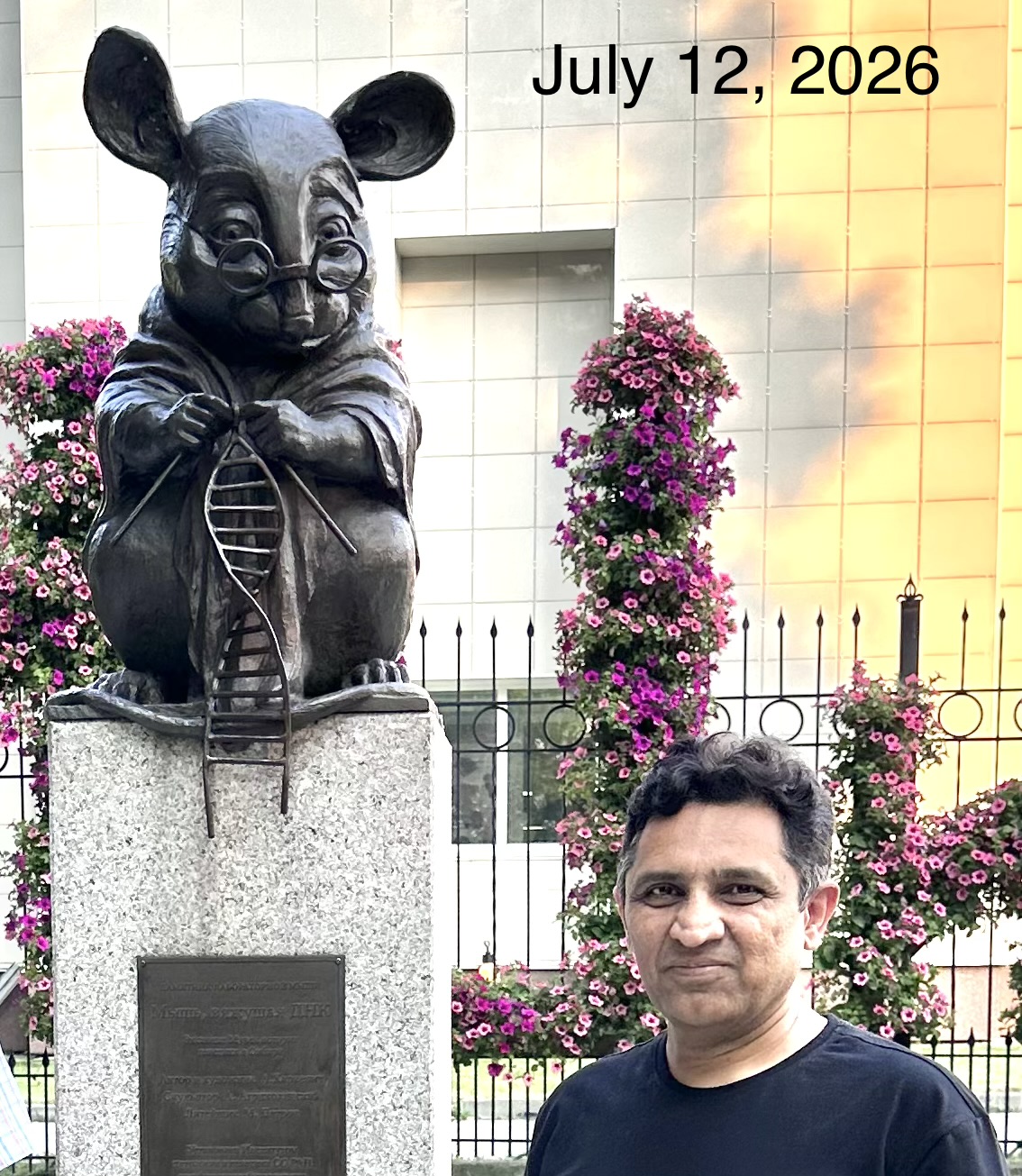
Principal Investigator · School of Computational & Integrative Sciences, Jawaharlal Nehru University
Trained as a physicist, working in bioinformatics since 2002. His contributions include first-generation sequence-based prediction of DNA-binding sites and proteins, free-energy and conserved-residue analyses of protein–DNA complexes, and the classification of conformational change on complex formation.
Science, poetry and pretentious thinking are all my passions — of which I chose the first as a profession.
ICMR has selected the proposed Collaborating Centre of Excellence (CCoE) on Artificial Intelligence and Data-driven Biomedical Discovery, led by Prof. Shandar Ahmad.
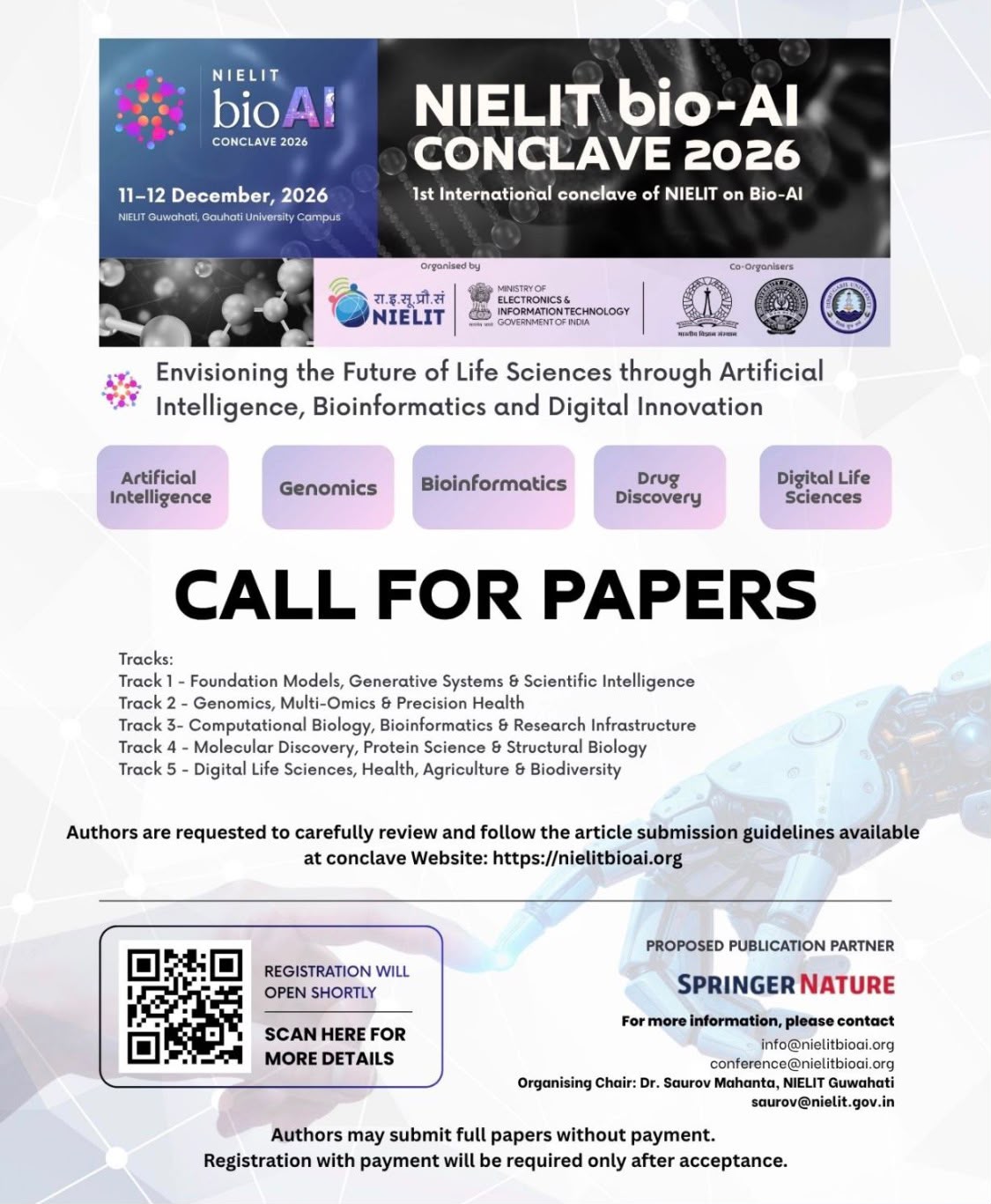
Asia-Pacific's bioinformatics conference, with full-paper tracks.
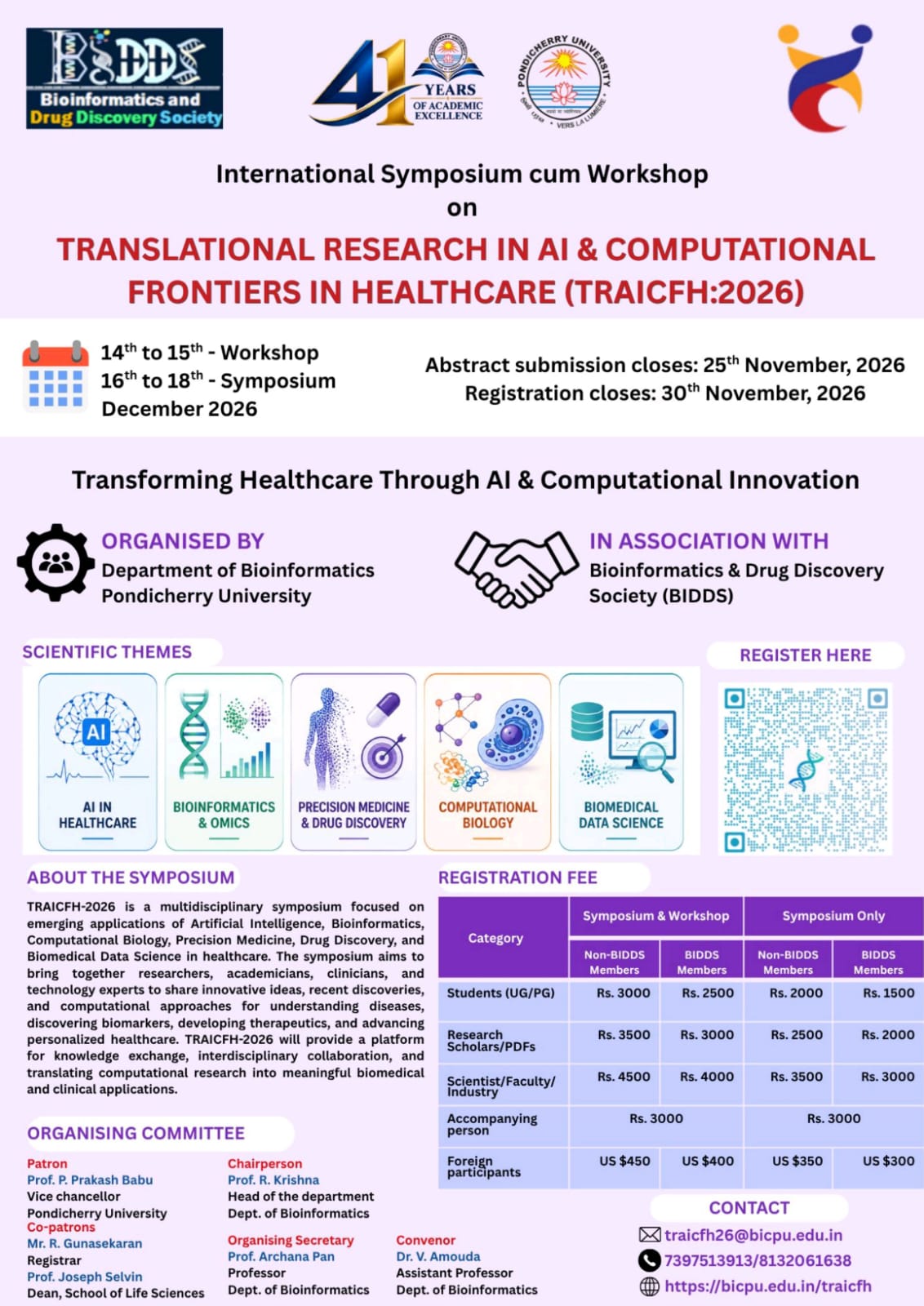
A symposium bringing together the scientific and literary sides of the research community.
On transcriptional dynamics in developmental biology.
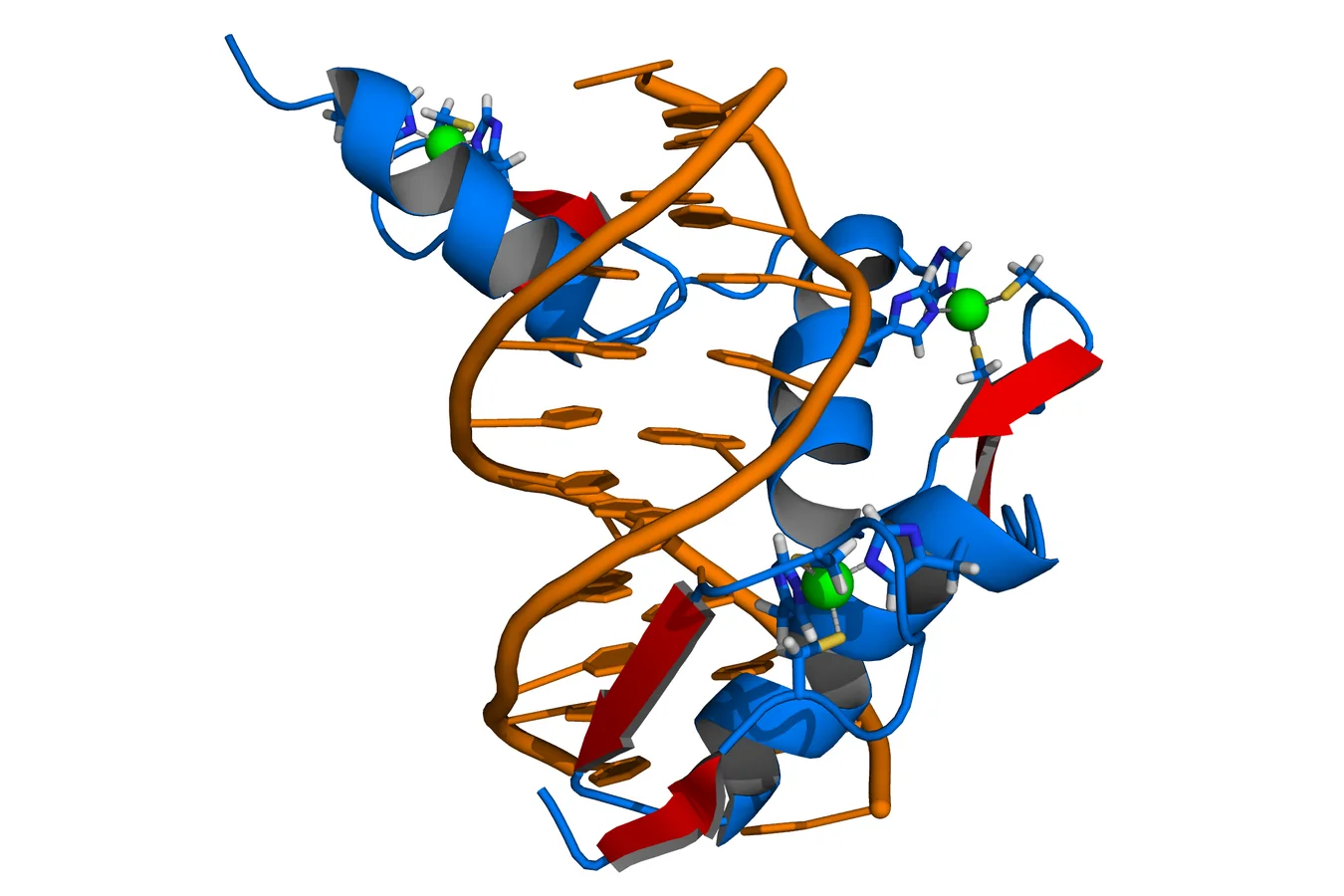
Sequence- and structure-based prediction of binding sites and the energetics of complex formation.
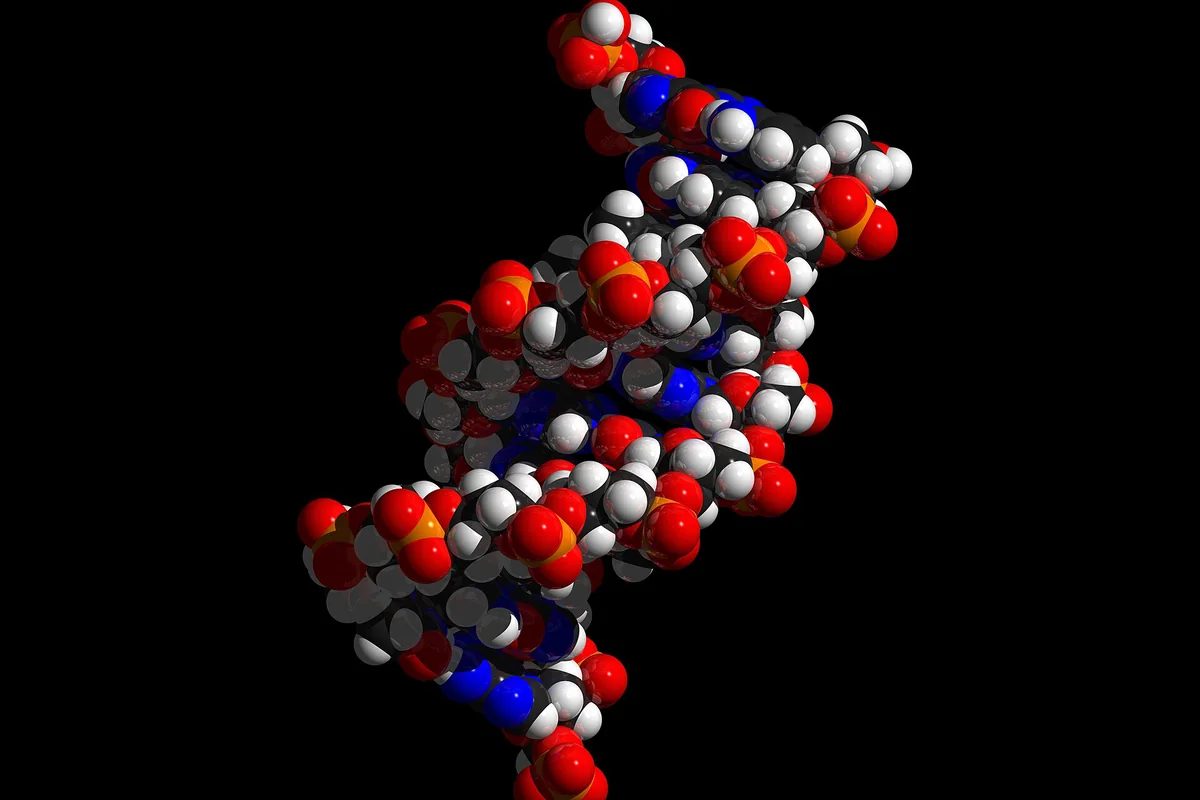
Genome-wide dictionaries of DNA conformation — twist, roll, slide, groove width — for indirect-readout models of recognition.
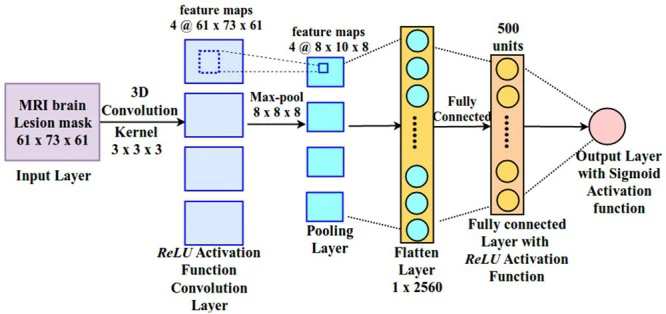
Novel architectures and training strategies, including language-model encodings, purpose-built for biological problems.
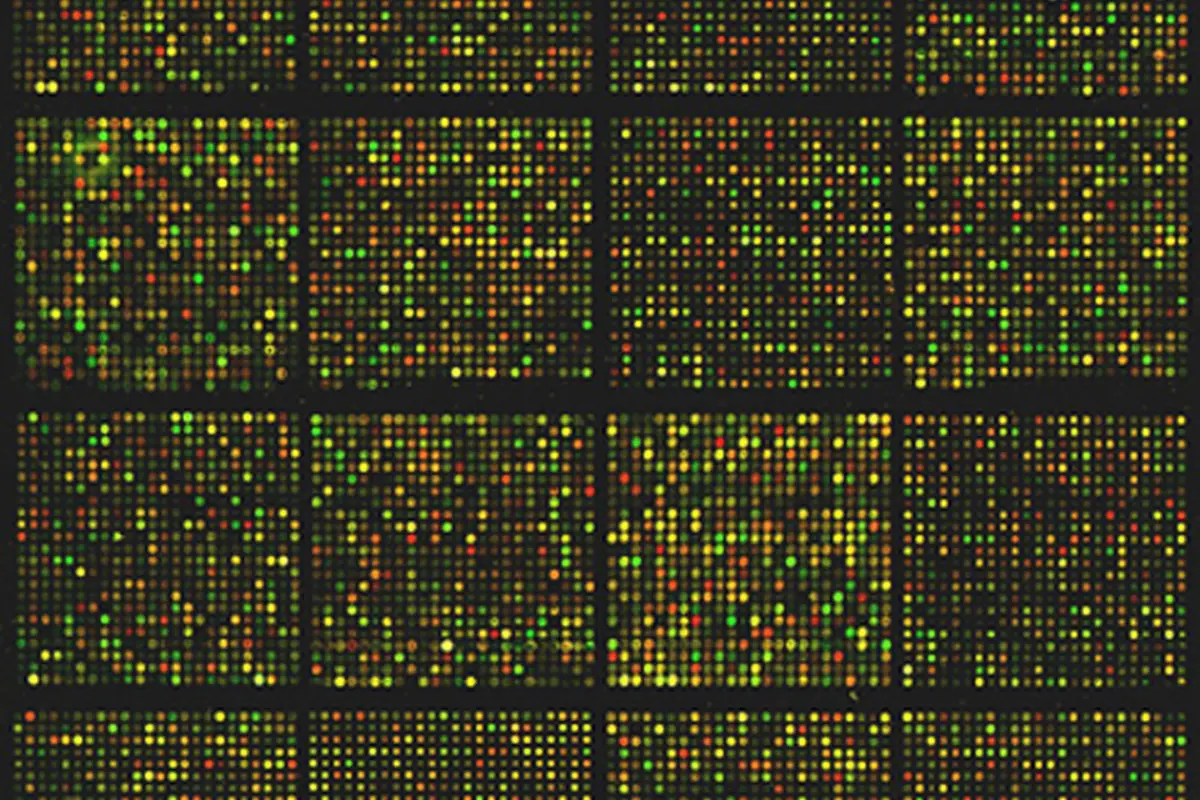
Integrating expression, phosphoproteomics and toxicogenomics to translate signals across species toward drug discovery.
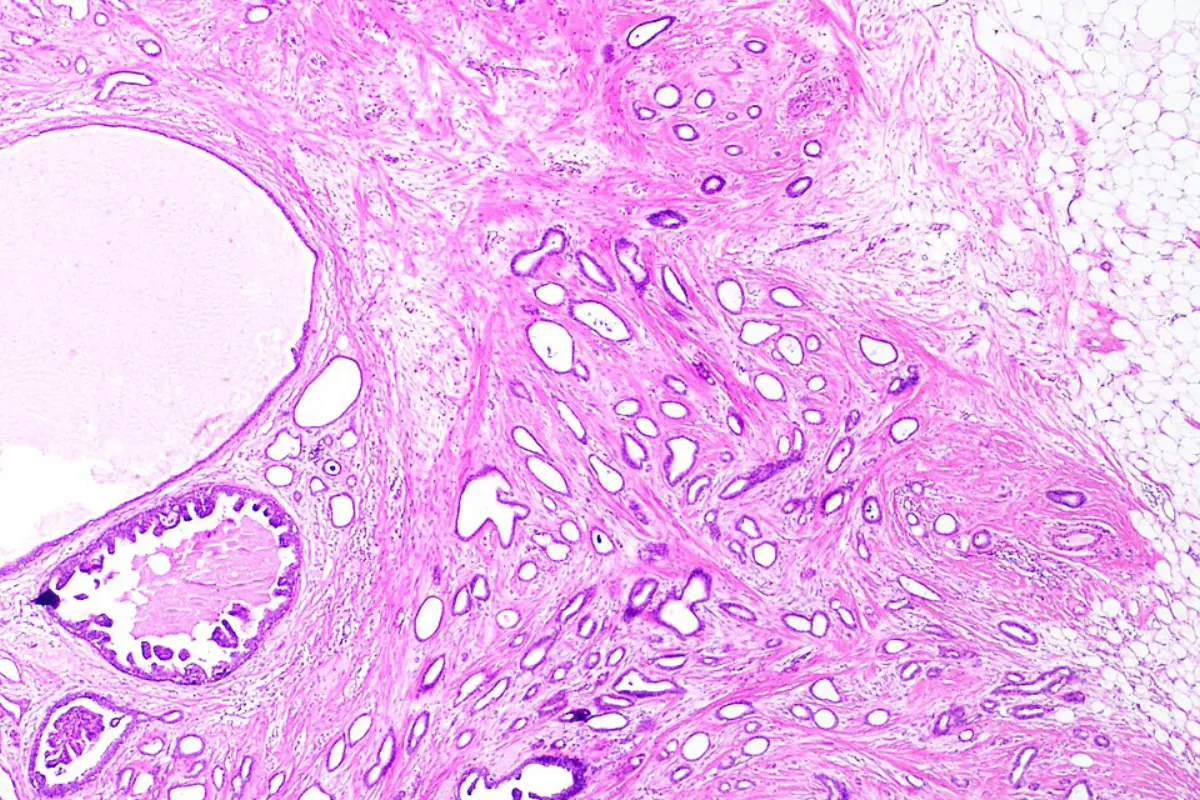
Deep learning on whole-slide images and RNA-Seq for cancer diagnostics and early detection.
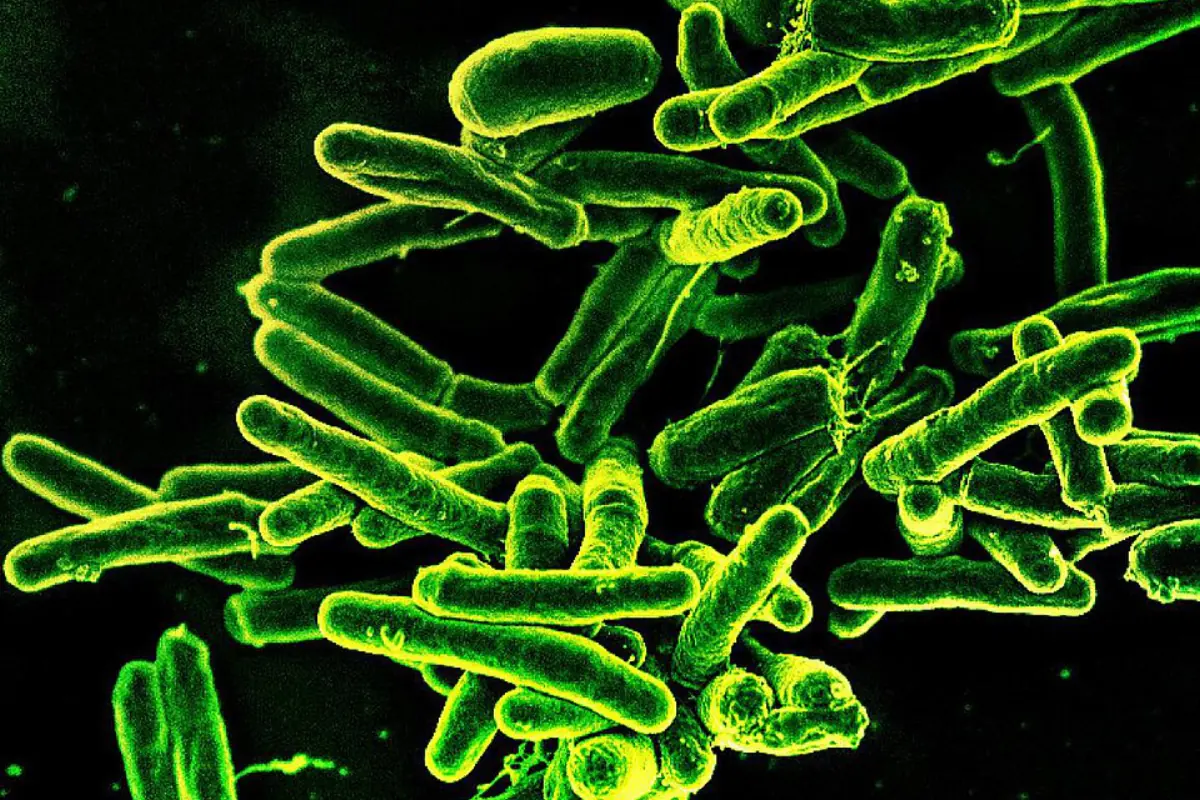
AI/ML modelling of antimicrobial resistance and host–pathogen interactions, with a focus on tuberculosis.
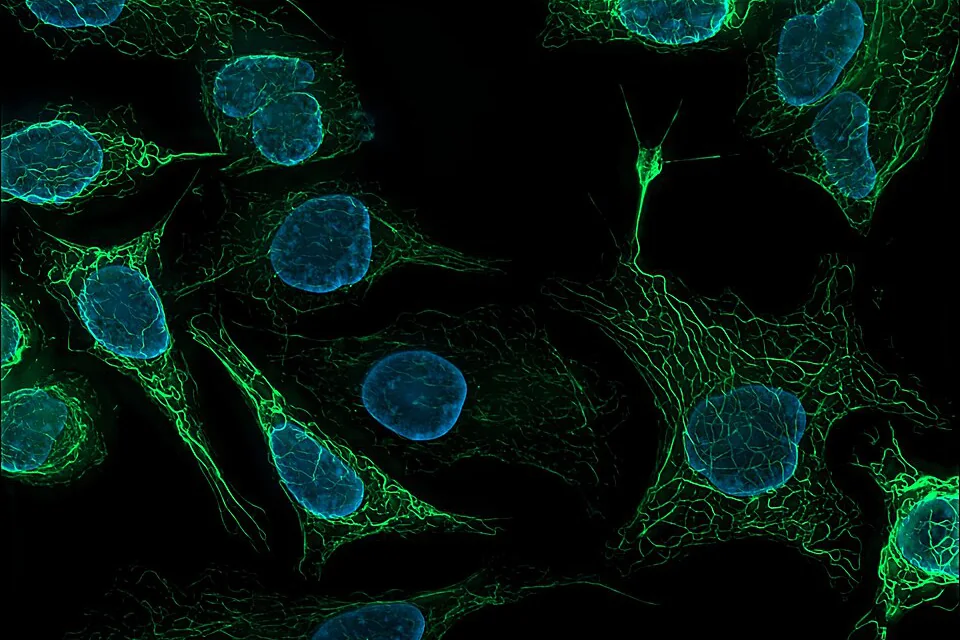
Harmonizing single-cell and spatial data, dimensionality reduction, and predictive modelling of cell state.
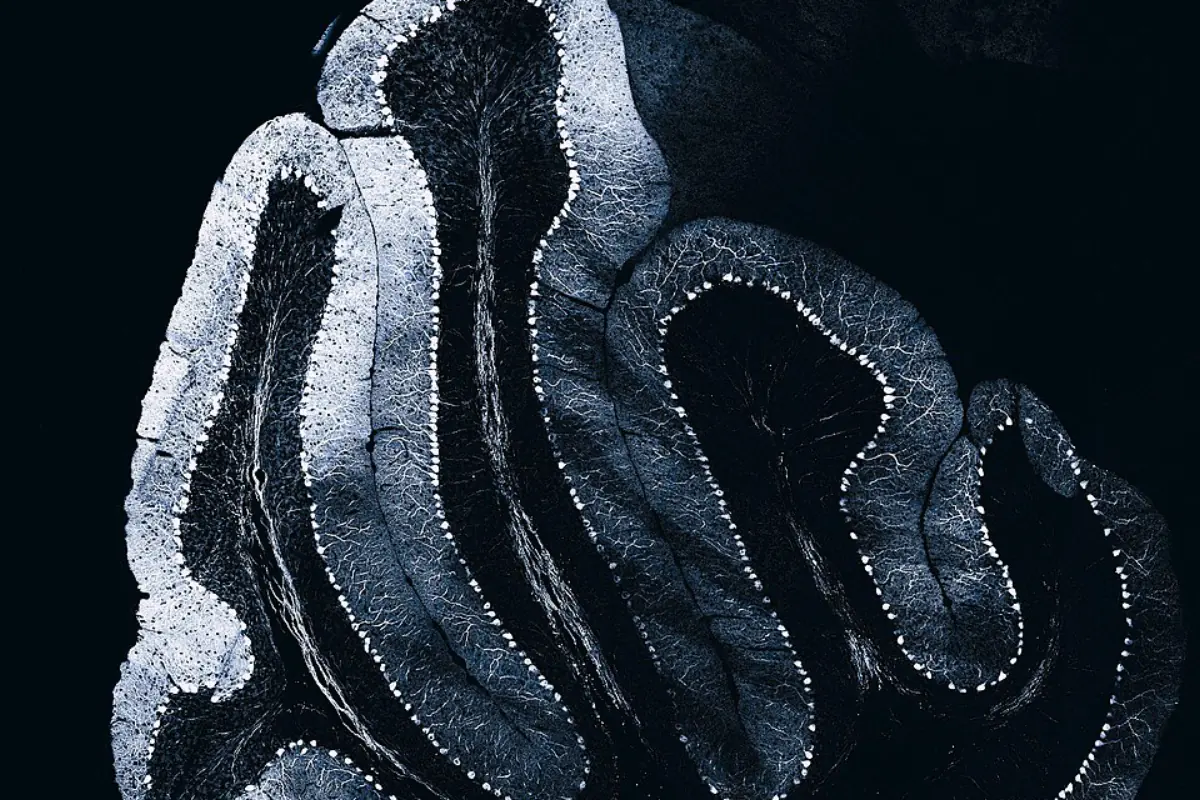
Single-nucleus transcriptomics of the human brain to uncover molecular signatures of neurological function and disease.
Images: Thomas Splettstoesser, CC BY-SA 3.0; Ude, public domain; Louis M. Staudt / NIH, public domain; Mikael Häggström, CC0; NIH Image Gallery, public domain; ZEISS Microscopy, CC BY 2.0; Achinraj, CC BY 4.0.
A genome-wide analysis of the conformational dynamics of transcription-factor targets, building shape-based models of transcriptional recognition.
A machine-learning method to identify previously unannotated DNA-binding proteins by integrating sequence and expression evidence.
Linking documented genetic diversity across sequenced bacterial and viral genomes to phenotype, including therapeutic-target discovery.
| Tool | What it does | Input | Paper |
|---|---|---|---|
| DynaSeq Featured | A conformational-dynamics dictionary: for any 6-base DNA fragment it returns an ensemble of 13 shape parameters — twist, slide, roll, minor-groove width and more — for genome-wide use. | DNA sequence | Scientific Reports 2017 21 citations |
| DBS-PSSM | DNA-binding site prediction from protein sequences via computed PSSM. | Protein sequence | BMC Bioinformatics 2005 344 citations |
| ASAView | Computes and visualises relative solvent accessibility from structure. | Protein structure (PDB) | BMC Bioinformatics 2004 311 citations |
| NETASA | Buried / exposed solvent-accessibility state prediction from sequence. | Protein sequence | Bioinformatics 2002 138 citations |
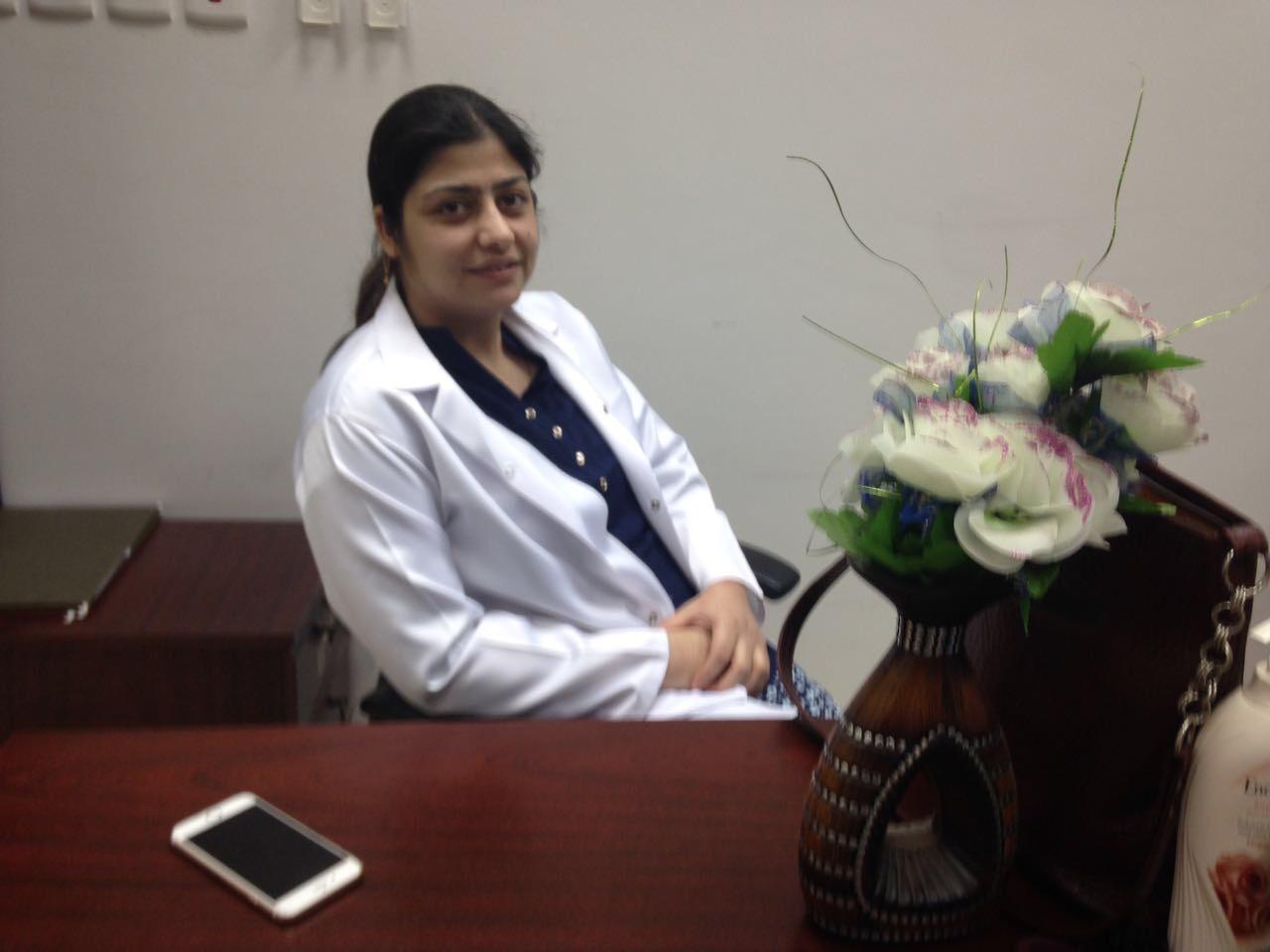 Meenakshi Bhat
Postdoctoral fellow Diagnosis and Characterization of Neurodevelopmental Disorder Using Artificial Intelligence
 Manisha Kalsan
Postdoctoral fellow Decoding transcription factor specificity and gene regulation through DNA sequence/shape, 3D chromatin architecture, single-cell/spatial multi-omics, and AI.
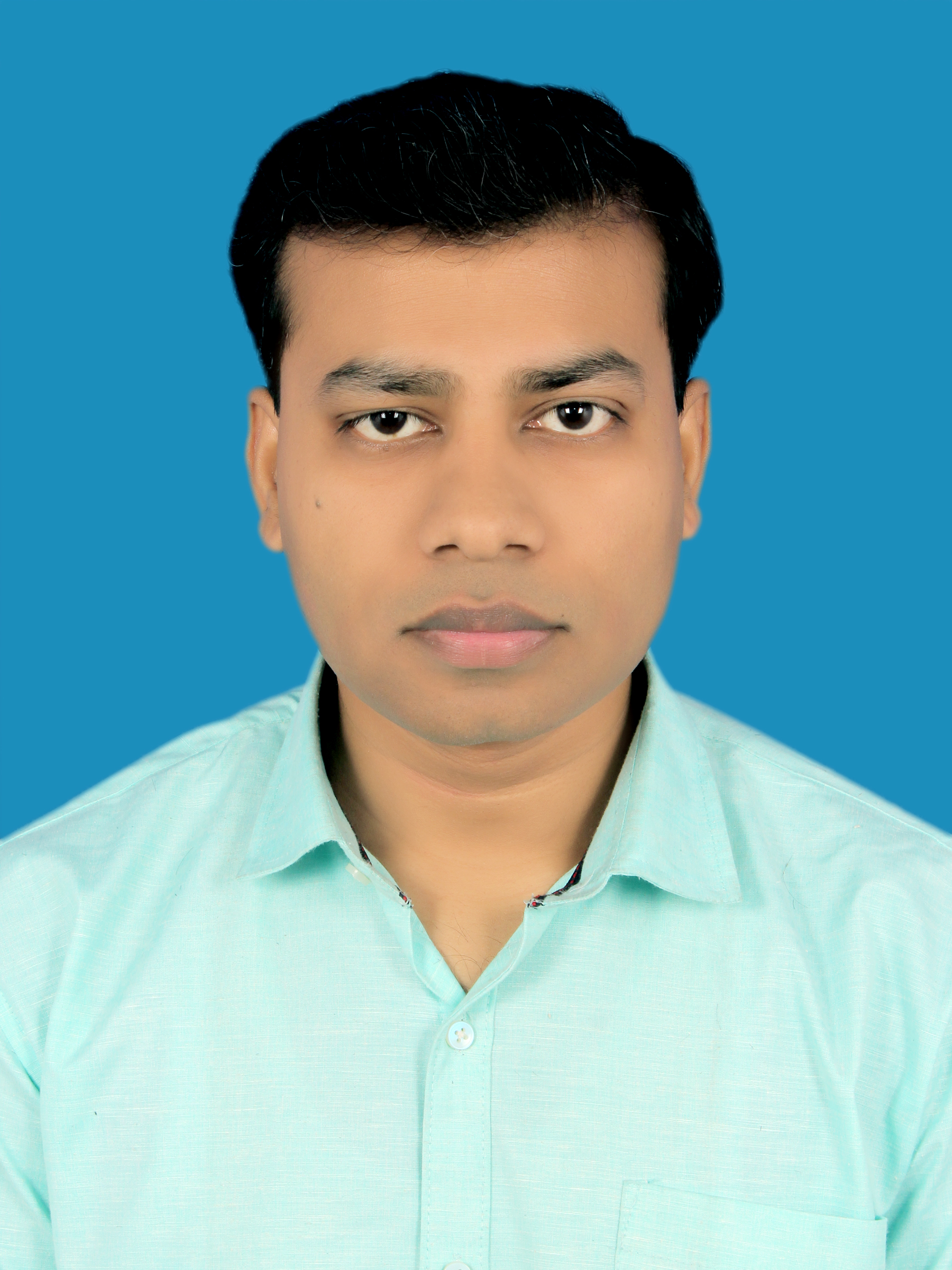 Ajay Kumar
PhD scholar Machine learning for cross-species multi-omic mapping and translational drug-response prediction.
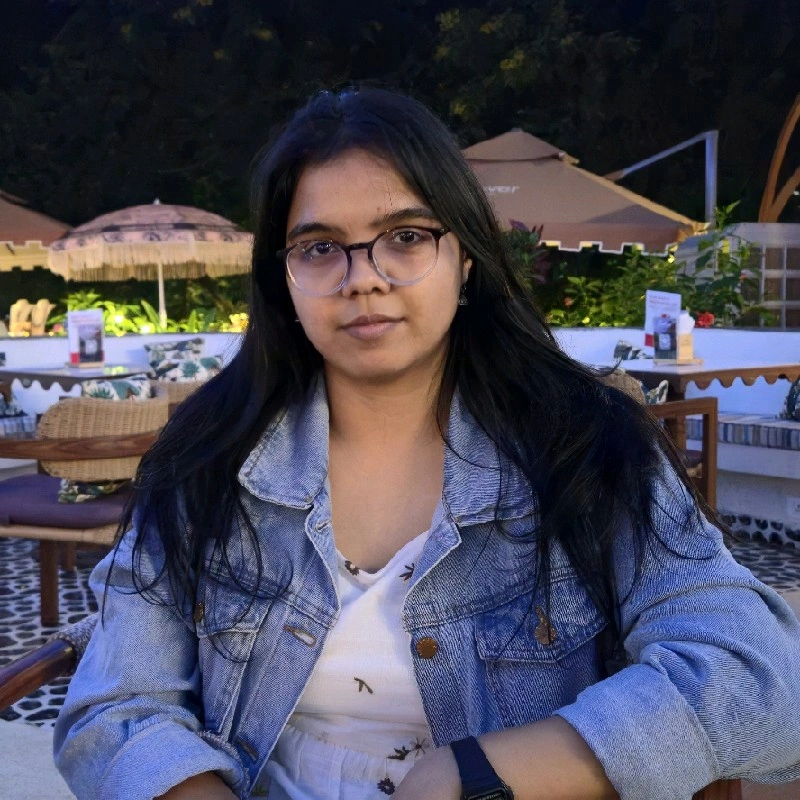 Neha Gupta
PhD scholar Transcriptomic Foundation Models | LLM Interpretability, Benchmarking & Gene Expression Representation
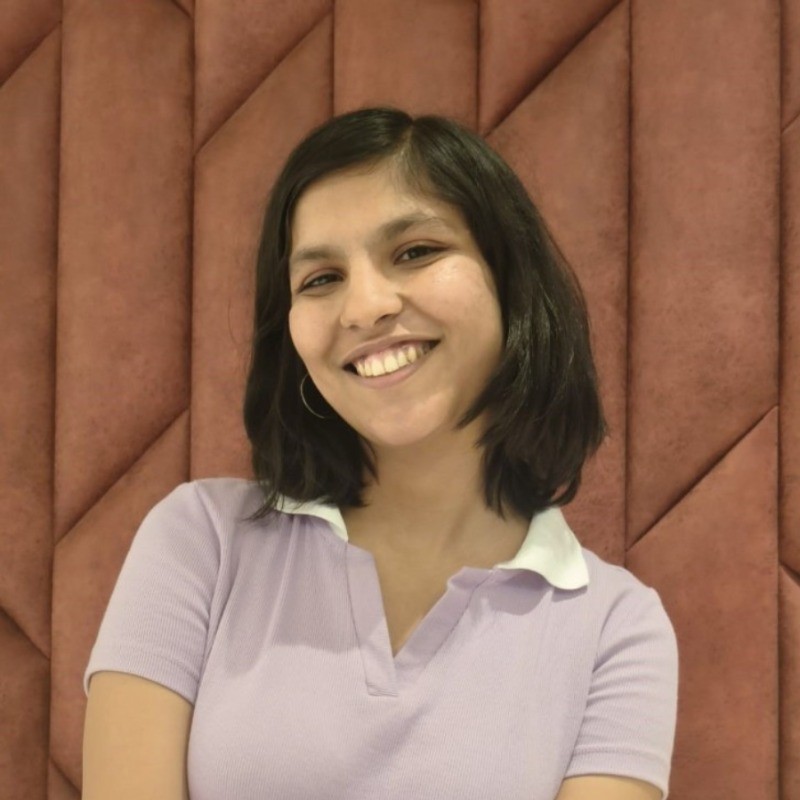 Richa Mishra
PhD scholar Protein-DNA interactions and drug discovery
Current and past support for our research.
 Indo-French Centre for the Promotion of Advanced Research (IFCPAR / CEFIPRA)
 Scheme for Promotion of Academic and Research Collaboration (SPARC), Ministry of Education, India
 Department of Biotechnology (DBT), India
 Interdisciplinary Cyber-Physical Systems (ICPS), Department of Science and Technology, India
 Council of Scientific and Industrial Research (CSIR), India
 JSPS Grants-in-Aid for Scientific Research (Kakenhi), Japan
Past
 Japan Science and Technology Agency (JST), Japan
Past
 Major Research Project grant, UGC, India
Past
Universities with Potential for Excellence (UPoE) grant, University Grants Commission (UGC), India
Past
DST–PURSE, Department of Science and Technology, India
Past
M. SAKIB ABDULLAH: I am grateful for the opportunity to work at SciWhyLab during my master's dissertation.